Worlds that never close, and the rent on them
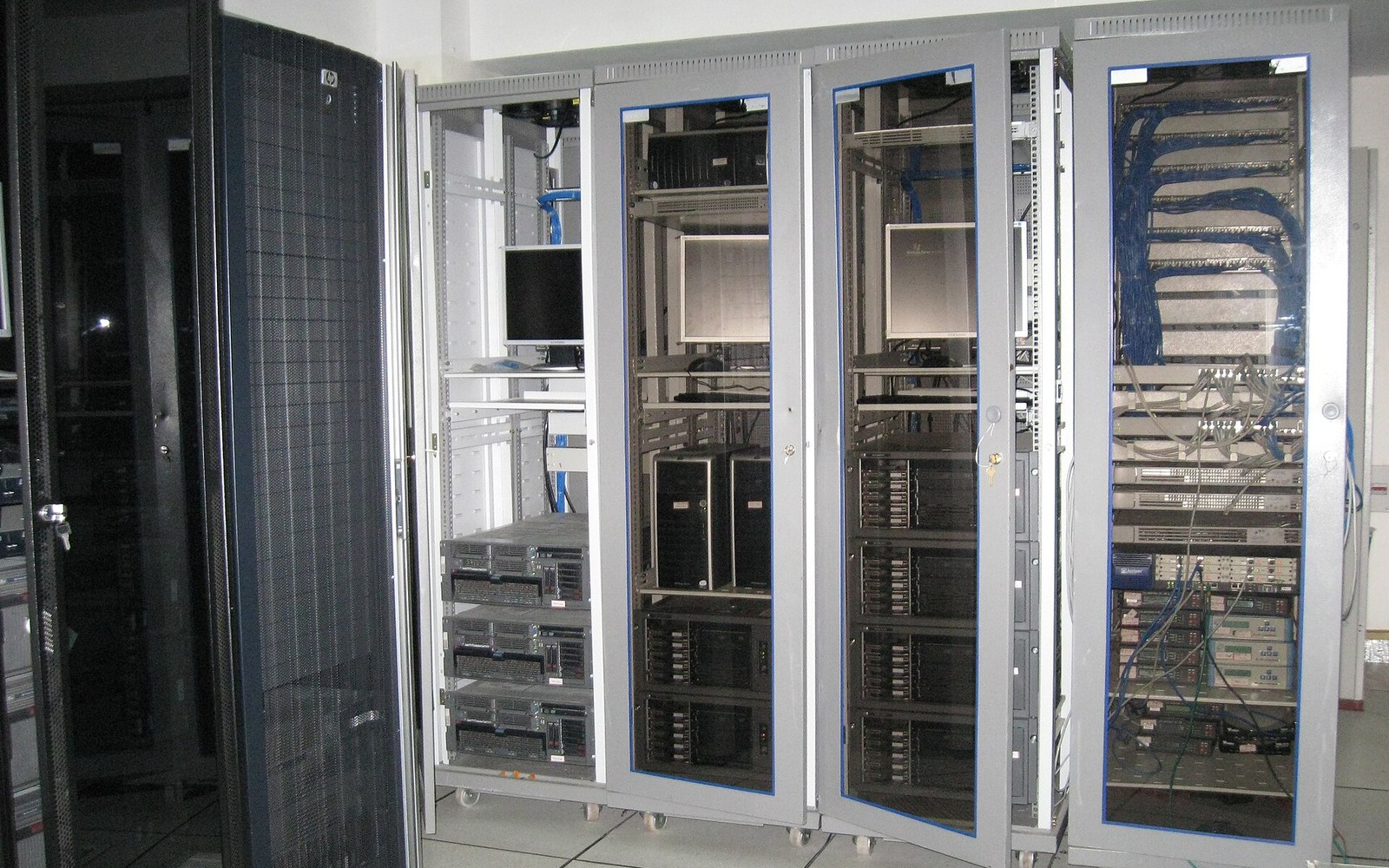
A persistent world keeps running whether anyone is logged in or not — and that single fact makes it the most demanding object in games to pay for.
The machine that never sleeps
A persistent world is not a game session. It is a place. The simulation continues after the last player logs off; the economy ticks, the crops grow or rot, the auction house fills and empties. The server is not a referee summoned when two players meet — it is a landlord, and the rent falls due every month regardless of how many tenants showed up.
That distinction has structural consequences. A session-based game tolerates quiet periods: no players, no compute load, no bill. A persistent world cannot tolerate them the same way, because the world's claim to be persistent depends on events continuing to happen in the absence of witnesses. Strip that away and you have a lobby game with a persistent aesthetic, which is a different thing entirely. The technical and economic commitment is therefore front-loaded and permanent in a way that no single-player or match-based title can quite match.
The fee was honest: you are renting time in a place that exists continuously, and the monthly charge reflects the continuous cost. Ultima Online, launched in 1997, and EverQuest, launched in 1999, both sold on this basis, and for roughly a decade the model held. When a world grew, it added servers; when revenue grew, it covered them; when neither happened, the world closed. The logic was clean.
The earliest persistent worlds — MUDs and their graphical descendants in the 1990s — solved this with subscriptions.
When the subscription stopped being obvious
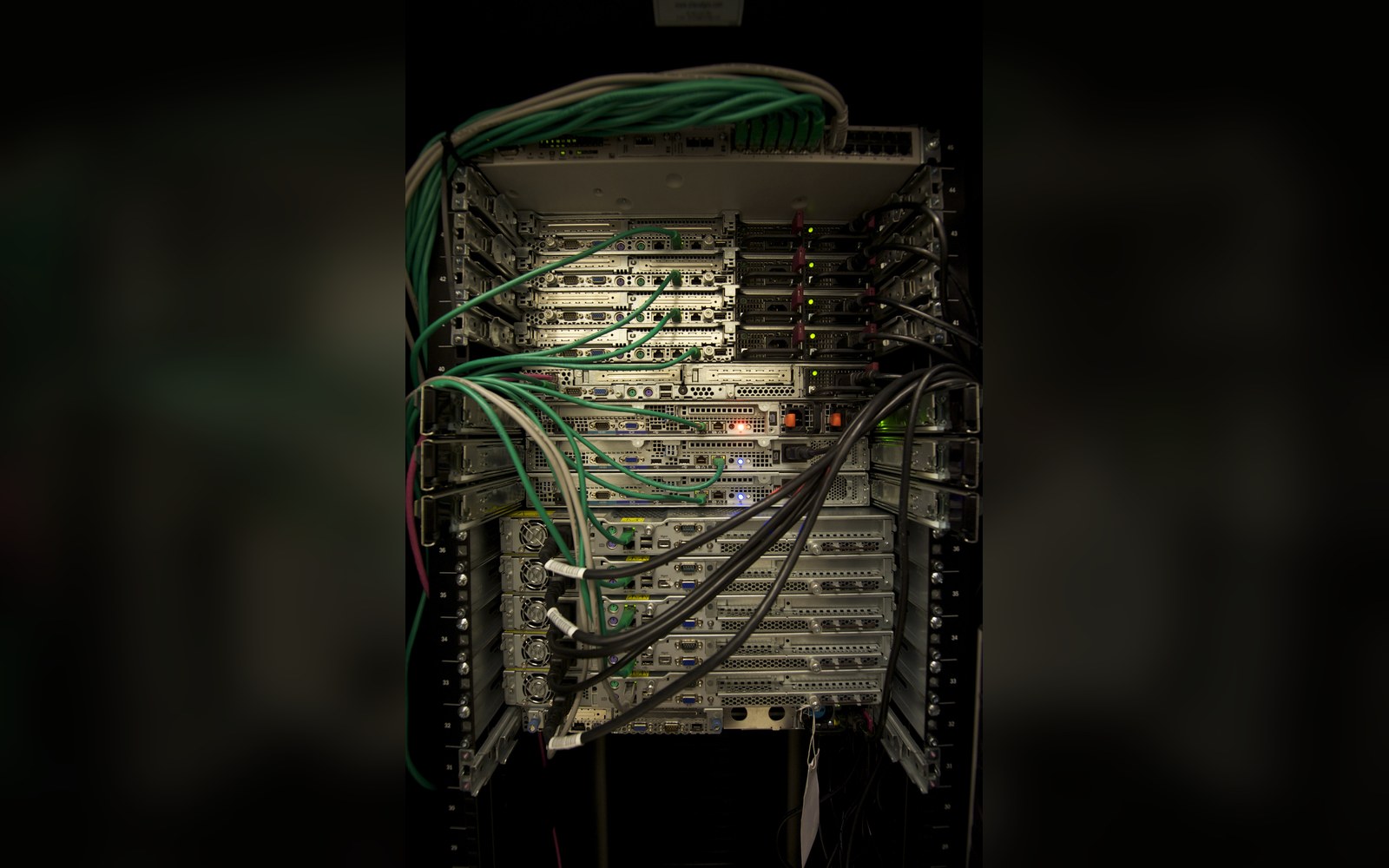
The fracture happened in the mid-2000s, as broadband penetration and PC-café culture in South Korea produced an audience that was large, engaged, and unwilling to pay a monthly fee partly because café operators were already paying for the connection. Publishers responded with item shops: entry was free, the world ran, and revenue came from what players chose to buy inside it. The model that arrived in the West under the label free-to-play was not an invention of Silicon Valley generosity — it was a business adaptation to a specific infrastructure.
The shift forced studios to redesign the economy of the world itself, not just its payment screen. A subscription model tolerates a broadly egalitarian interior: everyone pays the same, everyone gets the same access. A free-to-play world must build spending into the texture of the experience, which means the economy has to generate desire continuously. This is where the concepts of faucets and sinks become load-bearing. A faucet is any mechanism that introduces currency or items into the world — quest rewards, drops, daily bonuses. A sink is any mechanism that removes them — repair costs, crafting consumption, auction-house fees. Without functioning sinks, inflation corrodes the value of everything the faucet produces, and a world where nothing costs anything meaningful is a world where spending feels pointless. Studios that run persistent worlds employ economists to manage this balance, because a broken in-world economy destroys the motivation to pay real money into it.
The battle pass emerged as a partial solution to a different version of the same problem. Rather than relying on players to spontaneously open their wallets, the battle pass sells a time-boxed reward track at a fixed price: pay now, engage over the next season, unlock items as you go. It converts the variable of player spending into something closer to a predictable revenue line, while tying engagement — time spent in the world — directly to value extraction. A player who bought the pass has already paid; the studio's interest is now in keeping that player logging in, because engagement validates the purchase and makes the next pass sale easier.
The mechanic is clever precisely because it aligns studio incentives with player retention rather than pure extraction.
Gacha — the mechanic, originating in Japanese toy vending machines, in which a randomised draw determines what item a player receives — addresses the same revenue problem from a different angle. Where a battle pass sells a defined product, gacha sells a chance, and the psychological literature on variable reward schedules explains why that can be more powerful. The regulatory response has been significant: several jurisdictions, including Belgium and the Netherlands, have moved to classify certain gacha implementations as gambling, and disclosure requirements for drop rates have spread across the industry. South Korea mandates probability disclosure for loot boxes; Japan's consumer-protection apparatus has repeatedly engaged with the kompu gacha variant, which requires completing sets of random items to unlock rewards. The design and its legal status are now inseparable.
The cost of permanence
None of this financial engineering changes the underlying arithmetic. A persistent world costs money every day. Servers must run, staff must moderate, content must arrive with sufficient frequency that the world justifies its claim to be a place worth inhabiting. The content cadence is not optional — a world that stops receiving updates is a world whose population begins to leave, and a world whose population leaves cannot sustain the revenue to pay its running costs. The spiral is familiar and fast.
This is why sunsets — the industry term for a scheduled shutdown — are often announced months in advance with such formulaic language: the studio is managing a community's grief while also managing its own cashflow, keeping subscriptions or purchases alive long enough to cover the final operational costs. What remains after a shutdown is, typically, nothing: persistent worlds are among the least preservable objects in games, because they depend on live infrastructure that no archive can replicate. The characters, the economies, the social histories — all of it disappears when the server stops.
The rent metaphor, then, is not decorative. The studio is a landlord running a building that must never be allowed to fall dark, because darkness is indistinguishable from permanent closure, and permanent closure terminates the lease on the community that pays for everything. Every monetisation mechanism — subscription, item shop, battle pass, gacha, season content — is an answer to the same question: how do you charge rent to people who could, in principle, just leave? The answer has never been simple, and the history of persistent worlds is largely the history of studios trying to get it right, failing in instructive ways, and occasionally, briefly, succeeding.

Read next
Elsewhere on the site